
CBJ vs PIT 1/4

This game was an unfortunate microcosm of this season.
The Game
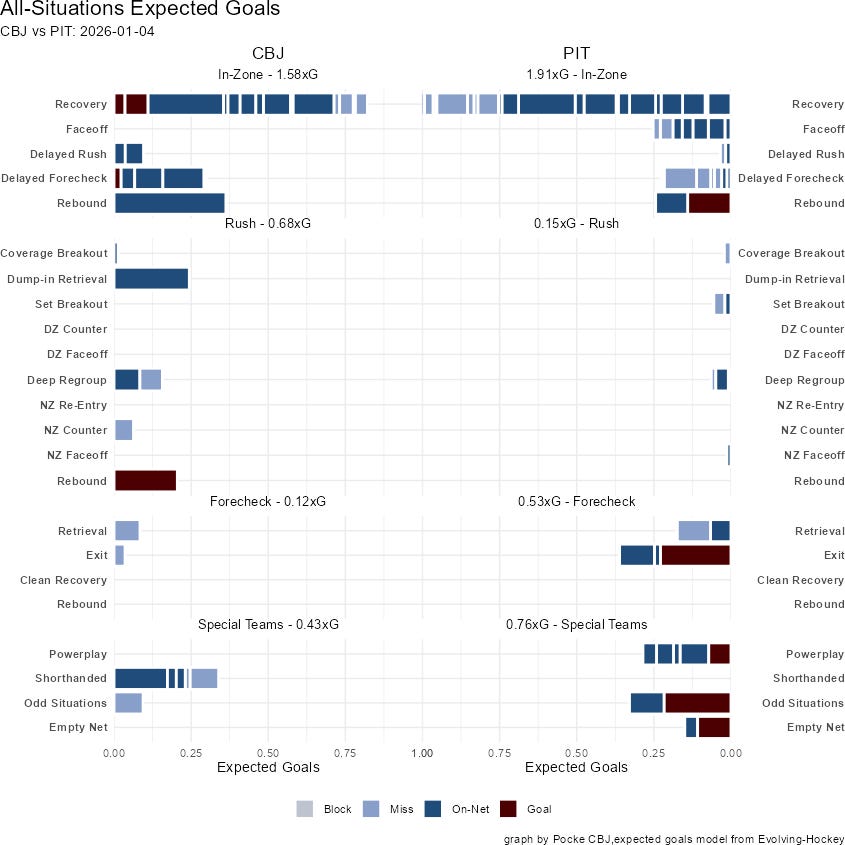
The Blue Jackets extinguished whatever rush offense the Penguins might have had but were thoroughly beat in their own zone. It’s difficult to talk about the tactics of this game, really, because so little of it ultimately feels like it matters.
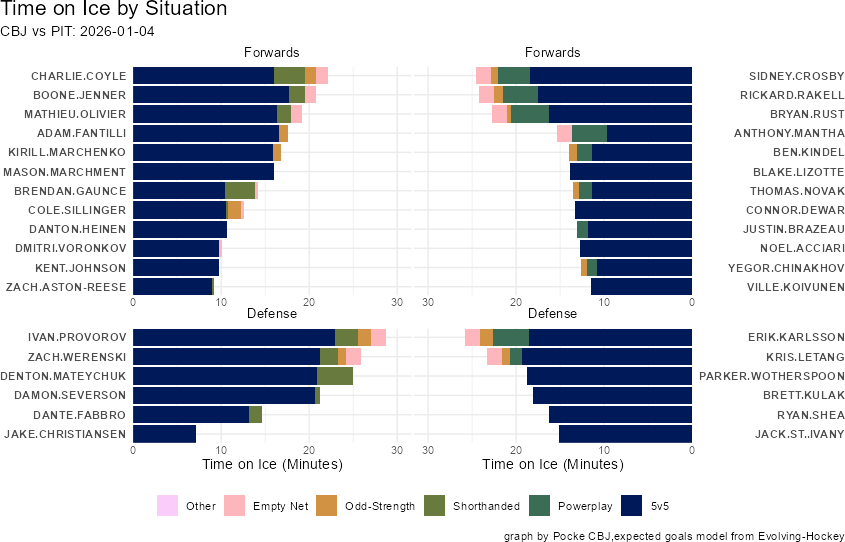
It’s worth noting the very specific deployments that came out of this game. It was a home game and Evason chased matchups hard. The team was split neatly into top and bottom six with a clear favorite among the top four defensemen.
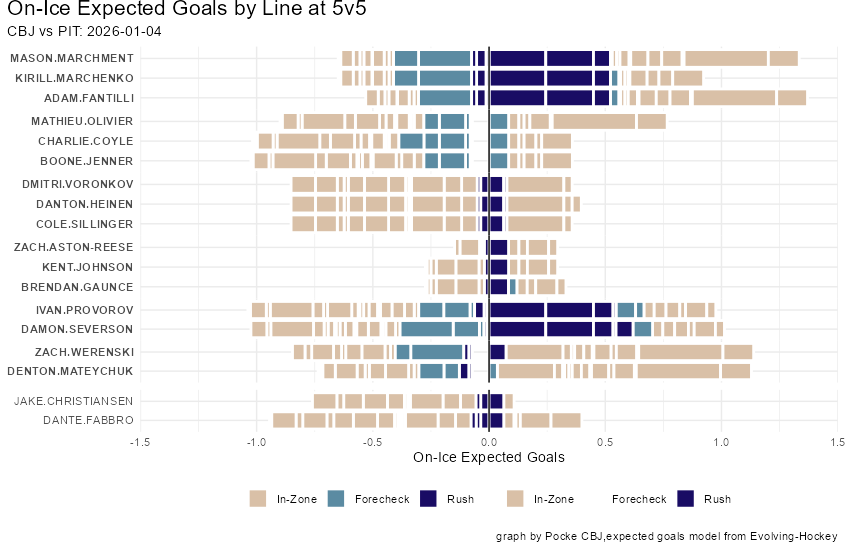
At the same time, the on-ice performance of said lines appeared to have little to do with how they were deployed. The top-pair was Provorov-Severson and they weren’t as good as the bottom two. The middle-six was dreadful, which we’ll get into in a moment. The third pair was a disaster, as this one has been lately.
Instead of trying to dive too deep here, though the data points are still critical, I think the story of the game follows a different course. The post-game comments by players, and general timeline of the game, gives us some crucial insight into a potential problem brewing.
When I saw that the game was a microcosm of the season, I mean that quite literally. Here is the chance timeline: a dreadful start, a ton of goals to end the first period, and a slow descent into a losing situation.
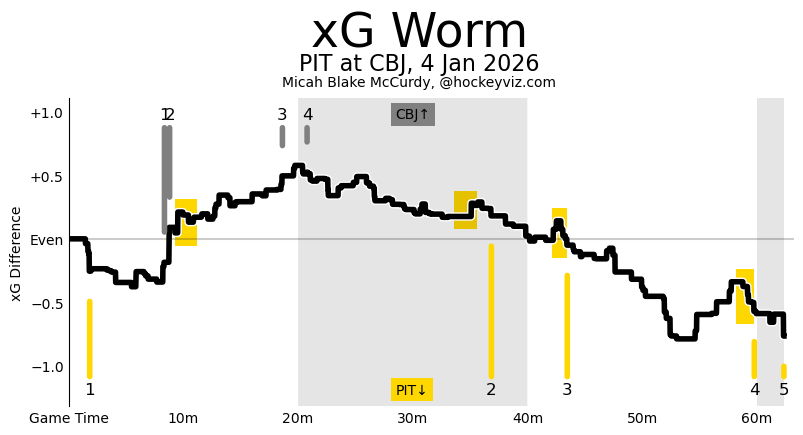
That’s the pattern here, right?
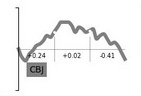
Apologies for the very small image here but this is what CBJ’s average goal differential across game minutes also looks like, it comes from the league-wide visualization from HockeyViz. It’s an uncanny representation featuring all of the hallmarks. A starting game dip, rapid ascent peaking just after the start of the second and then a slow descent until the end of the game.
We’ll start with Dean Evason’s words in the post-game presser. He thought the Blue Jackets’ start was one of the worst he’s seen. I have to agree so let’s take a direct peek into what that looked like.
The start was slow, to be sure, but really the first “bad” thing that happened resulted in a goal. There are a few things that went wrong there but really it was a whole host of poor defensive reads. Defensive coverage can be tricky off of a faceoff loss, usually it’s man-on-man in the following seconds but once a certain amount of time has passed you can flex back into regular coverage.
Mostly, it’s on Danton Heinen who seems to have a different opinion than the rest of the squad on how D coverage is played and never makes the effort to pick up a guy after he abandons his. Perhaps Voronkov could have helped rotate as the puck went onto his half, perhaps Christiansen and Fabbro both don’t need to chase (though I think these are correct reads), perhaps Sillinger can have a better defensive conscience. Still, it was Heinen who started the switch-chain and who never seemed to find anything else to do and Koivunen was left completely alone in the slot.
This one the Blue Jackets win but somehow the only result is Provorov rimming the puck up the wall hard to a Penguin. There has to be a better option off of a faceoff win but nothing really bad happened here.
The next shift is where the Blue Jackets top defensive players make a breakdown so egregious I couldn’t believe it. Greaves sends a retrieval high up the wall, Karlsson finds an immediate pass off of it and the Blue Jackets have four players utterly fail to make a difference.
Who gets specific blame here? Hard to say. Perhaps Greaves did something the team didn’t expect and that means Jenner couldn’t get to pressure at the appropriate time. Coyle was clearly on the opposite wall in case he went that direction but neither he nor Severson had the requisite danger sense to prevent a clean Rakell chance in the slot. Olivier’s route looks quite bad too, being unaware of the player skating for a clean look into the middle behind him and curling lazily to the D to D lane.
The skating pace from the overhead view is awful to watch after the fact. Talk about energy being low for the game? That’s it right there.
No matter, the Blue Jackets turned it around. The scored a ton through some absolutely brilliant hockey across all fronts but especially from Zach Werenski and Kirill Marchenko.
We have: Werenski and Mateychuk creating net-front offense from the blueline with tips from Heinen and Voronkov for the first goal. Textbook Marchenko dzone wall involvement leading to a Fantilli break and Marchment rebound. Werenski fantastic backdoor pass for Marchenko’s goal and a fantastic Jenner forecheck into Werenski’s goal.
Heading into the third though, two of the key difference makers made a mistake that made the comeback a little too easy.
Werenski gets the puck on the retrieval and makes a good handling move to thread the forecheckers and start the attack. He doesn’t do it cleanly and he doesn’t rim the puck hard and get it out. No matter, the puck is through and Fantilli has possession. Unfortunately, he waits out the pass and gets it ticked by Lizotte, Dewar keeps it in and feeds Acciari in the slot.
Heading into the third we were offered this bit of insight courtesy of Jody and assistant coach Scott Ford. “We threw it in the middle three times and it ended in the back of the net. Continue to use the walls..”.
The Blue Jackets leaned in and it didn’t help. Many of the same issues came from the same players that looked poor to start in the first. Mateychuk got overwhelmed on the walls twice without any support. The first perhaps Werenski’s fault but the second time absolutely a lazy route from Provorov. The third pair couldn’t play defense either.
Any time the middle six was on the ice, the slot was left open for free. That just can’t happen if these are your best defensive players. Jenner letting Karlsson walk into the slot for a post? The “protection squad” of Provorov-Severson and Jenner-Coyle-Olivier leaving Crosby alone in the slot because they overplayed the back wall?
The fourth goal and we see early themes play out again. Werenski rims the puck hard on the wall. CBJ have no players there. Sillinger and Voronkov make some egregious coverage decisions, Werenski not entirely excluded here, and a complete lack of danger sense from the other players invovled and the slot is open again. This time the game is tied.
Same exact thing on the winnning OT goal. Coyle tries to change, fails, and Provorov and Sillinger both either lack the awareness or discipline to protect the slot.
It’s confusing that we can point exactly to the players who were responsible for the slow start and then it’s back to those same players to protect leads. Werenski isn’t exempt from this criticism but given that he was on the ice for three goals, I think we can say that he still moved the needle toward a win.
Here’s Werenski after the game. Explicitly calls out making plays instead of chipping pucks out, sapping energy and giving the other team the puck. I point this out, specifically, because it appears that he’s chafing against the message coming from the coaching room coming out of the second period.
He explicitly calls out the desire to use the walls, to play differently when protecting leads, as the reason it’s getting hard to lock-in some of these wins. The coaching staff seems to be celebrating the “boring” win over Buffalo but this game was everything but.
Usually, when games go like this, it’s nice to look for players who are “zagging” so to speak. In the first period, when energy was awful and flat, who looked good?
Kent Johnson. You can really see the intention he brought to the ice. Results weren’t fantastic, the plays didn’t always connect, but there was drive and you can see how Werenski and Mateychuk were feeding off of his ideas. Separately, both Mateychuk and Werenski showing some great exit-killing concepts.
What about in the third?
Would you look at that, it was the line that was aggressive and attacking. Even Olivier, joined for a brief time, got in on the action.
I’m not sure I can say those final shifts should have been deployed differently but sometimes it feels like this coaching staff has an idea of what the lines will look like before starting the game and then sticks with it rigidly, regardless of how they’re playing at any given moment. I can’t say I’m a fan of the perhaps growing rift in ideas of how games should be played between the coaches and the, for all intents and purposes, primary leader and best player on the team in Zach Werenski.